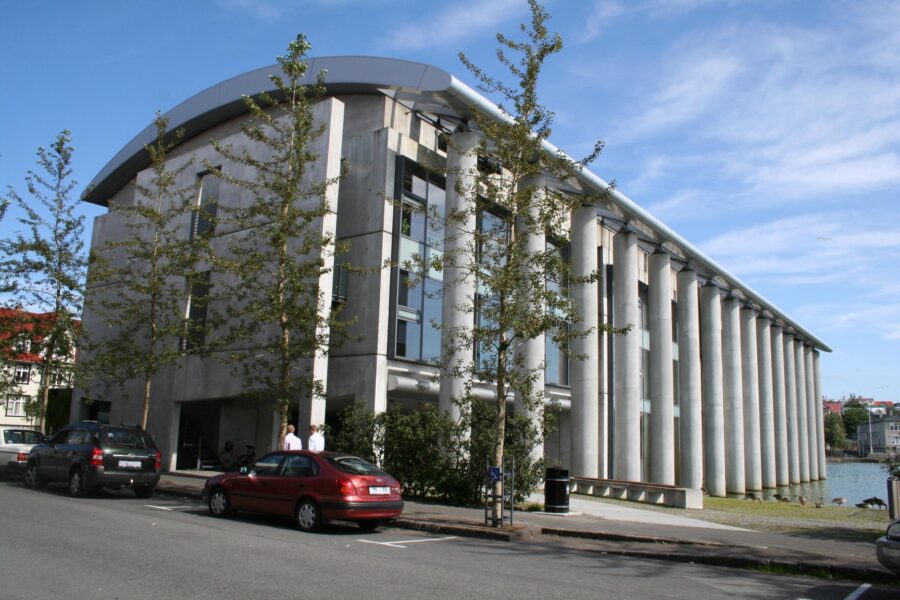

Location: Hallveigarstaðir, Túngátu 14, Reykjavík
Time: November 30th, 9 am-12 pm
Objectives and planned content of educational days on job evaluation
The main objective of the training is to increase knowledge and understanding of job evaluation and how it can support transparent, consistent and professional pay decisions. The speakers are British experts, David Leask and Mick Brody, who have worked on numerous development and implementation projects in the field of evaluation. In the training, they discuss the benefits and challenges of developing, implementing and maintaining evaluation systems from the perspectives of employees, unions and employers. Below you can see a description of the content of the training and the questions it is intended to answer.
1. Introduction to job evaluation
- An introduction to job evaluation, its purpose, fundamental considerations, and historical development.
- Experience with the use of valuation systems in the UK and key lessons learned.
- The benefits of job evaluation for employers, employees and unions.
2. Valuation system – development and implementation
- Development, design and implementation of valuation systems.
- Challenges and opportunities inherent in using a single valuation system to evaluate diverse jobs and job groups.
- Under what circumstances may it be appropriate to use more than one valuation system at the same employer or within the same organization?
- What basic criteria and requirements must a valuation system meet to support the goal of equal pay and minimize the risk of gender bias?
3. Job evaluation as the basis for salary setting
- An overview of the entire valuation process from the perspectives of employers, employees and unions.
- Practical challenges in evaluating different jobs, including when it comes to specialized jobs that are performed by only one employee on the one hand and jobs with many employees on the other.
- The relationship between valuation results and salary systems, salary structures, and salary decisions.
- How job valuation can create a professional basis for wage setting, considering the importance of distinguishing between assessing the intrinsic value of jobs and decisions about actual wages.
4. Maintenance, quality control and consistency in implementation
- Roles and responsibilities of stakeholders in the development, implementation, operation and maintenance of valuation systems.
- Good practices for maintaining and updating valuation systems to ensure they remain relevant, reliable and continue to serve their purpose.
- Processes to ensure that jobs are evaluated correctly and consistently over the long term.
- Quality control methods and quality testing and how they are used to identify and correct inconsistencies in valuation results.
- Responsibilities and roles of different parties in ensuring the quality, consistency, credibility and reliability of valuation systems.
5. Governance and decision-making
- The governance structure of valuation systems in the UK, including the development, implementation and maintenance of systems.
- Decision-making processes and the roles of employers, employees, unions and other stakeholders.
- Arrangements for job evaluation, review of evaluation results and handling of appeals.
- Practical experience with governance structures that promote transparency, clear accountability, consistency and trust in the valuation process.
The registration fee is 5,000 ISK.
Further information
How do I pay?
A claim will be sent to your online bank account after the event, you simply register below and we will send you the claim after the event. The registration fee is 5,000 kr.
Are Hallveigarstaðir accessible?
Better yet! After a long wait, the building has finally become accessible to people who have difficulty climbing stairs or for those who use wheelchairs. There is an elevator in the lobby of the building. Accessible toilets are in the basement of the building, opposite the meeting room itself. The acoustics in the hall at Hallveigarstaðir are excellent.
Where is the talk being held?
In the hall at Hallveigarstaðir, Túngátu 14, 101 Reykjavík. Enter the lobby of the building and a staircase on the left leads down to the basement. You can also take the elevator.
Where to park the car?
We recommend parking at Landakotskirkja Church, the parking garage in Mjóstræti or the parking garage under Reykjavík City Hall.