
October 24, 2024
Bryndís Guðmundsdóttir, Helga Björg O. Ragnarsdóttir, María Björk Lárusdóttir and Rósa Björk Bergþórsdóttir write:
In 1975, the United Nations General Assembly dedicated International Women's Day to the status of women. On that occasion, women's clubs and organizations in Iceland joined forces and organized events to promote women's demands for equal rights. One of them was a proposal for women to go on strike on United Nations Day, October 24th.
Today marks 49 years since International Women's Day, when 90% of women in Iceland walked off the job, both paid and unpaid, to protest against the various forms of discrimination against women in the labor market and to draw attention to the contributions women make to society. Women gathered at outdoor meetings all over the country and encouraged each other's fighting spirit. The largest meeting was at Lækjartorg, where about 25,000 women gathered. News of the organizing power and fighting spirit of women in Iceland was reported in media outlets around the world.
International Women's Day 1975 was an important manifestation of the solidarity of women that has characterized the women's liberation struggle throughout history. The solidarity of women that it embodied strengthened the struggle of women in all areas of society for women's liberation and equality, which led to reforms in the field of equality issues in the following years and decades.
Women's liberation 49 years ago
The situation of women in 1975 was very different from the situation women face today. There were many systemic obstacles. Despite the steady increase in women's employment, daycare options were limited and often costly. Maternity leave was three months and only for working mothers. The proportion of women was 5% in the Althingi and 3.6% in local governments. Women were less likely to attend university and were few in management positions in companies and institutions. Women and children living with domestic violence had limited resources, as the Women's Shelter did not come into being until 1982, Stígamót in 1989 and other resources later. Social norms placed limits on women, as women's roles were linked to childbearing and caregiving. Participation in public life was often accompanied by criticism of women as mothers and wives.
Although equality has not been achieved in Iceland any more than elsewhere in the world, the struggle for women's liberation has yielded important milestones. These include progressive equality legislation, increased maternity leave rights regardless of gender, increased awareness of violence against women and children, as well as resources for victims of violence, a more equal gender ratio in the Althingi and in local governments, more women in management roles in companies and institutions, an increase in the number of university-educated women, and important steps towards equal pay.
From uniformity to diversity
Over the past 49 years, society has evolved from homogeneity to diversity. In the 1970s, homosexuals and other queer people were mostly in the closet, foreigners were abroad, and disabled people were often confined to their homes. The increase in immigration, increased rights for queer people, and greater participation of disabled people in the labor market and in society as a whole have led to increased diversity and enriched society. This means that equality must be worked on in a broader way than before.
Gender pay gap
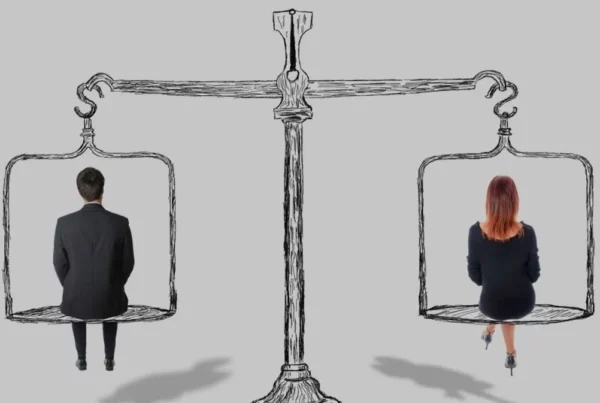
Despite the fact that equal pay for men and women for equal and equally valuable work has been stipulated in Icelandic legislation for more than 65 years, the gender pay gap is still a fact in this country. According to Statistics Iceland's measurements, the unadjusted gender pay gap was 9.3% in 2023, in favor of men and increased from 8.6% the previous year. The pay gap differs by market, but that year the unadjusted gender pay gap was 13.9% in the general labor market and 8.0% among state employees, but considerably lower or 4.3% among local government employees.
Underestimating the value of women's work
The reasons for the gender pay gap can largely be traced to a gendered labor market where traditional women's jobs are generally less valued than traditional men's jobs. It is not enough to respond to the undervaluation of women's jobs by telling women to be more diligent in choosing masculine fields, even against their will and interest. Attention must be focused on the valuation of jobs and ensure that feminine aspects of jobs are valued equally with masculine ones, thereby increasing the wages of traditional women's jobs. This means that factors such as responsibility for people, physical skills, peer management, education and mediation, communication skills, teamwork, supervision, risk of infection, emotional stress, confidentiality and empathy must be assessed, in order to be paid on an equal footing with factors such as financial responsibility, human resources management, physical stress and other factors that characterize masculine jobs. For this to be possible, the content of jobs must be assessed based on the demands made on the job, the conditions in which it is performed and the responsibility it entails. It is important that such an assessment is based on a professional and transparent evaluation system that has equal pay as its goal. Municipalities have based the remuneration of a large part of their jobs on a job evaluation system that has equal pay as its goal, which has reduced the gender pay gap.
Social benefits of equality
The impact of wage inequality on women is clear. Based on the unadjusted wage gap of 2023, women will have an average wage of tens of millions of krónur over their working lives, with the associated impact on their economic situation throughout their lives, including lower pension contributions. It is therefore a matter of justice to correct this gap and establish wage equality.
However, wage inequality has a broader impact than just the livelihoods of the women who suffer from it. The gender wage gap is one of the systemic barriers that reduce women's participation in the workforce. It has been repeatedly pointed out that increased female participation in the workforce and wage equality have a positive impact on national GDP and economic growth.
By correcting the wage gap that results from the gender division of the labor market and by supporting the infrastructure that promotes women's employment, society utilizes the knowledge and experience that women possess and contributes to increased diversity in the workforce.
Equality in the labor market leads to prosperity and increased quality of life and is key to the development and staffing of educational, health, and welfare services for the future.