
October 24, 2022
Friðrik Jónsson, chairman of the BHM, and Brynhildur Heiðar- og Ómarsdóttir, chairman of the BHM's Equality Committee, write:
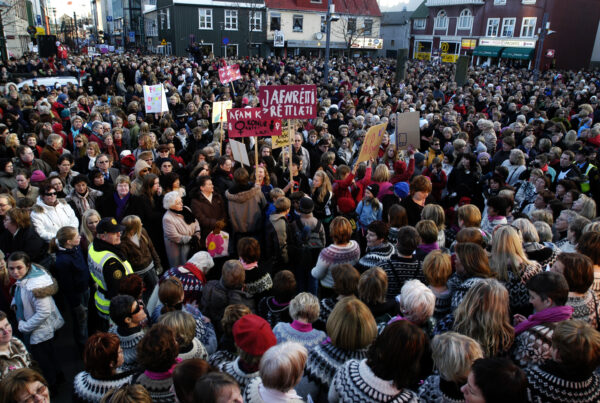
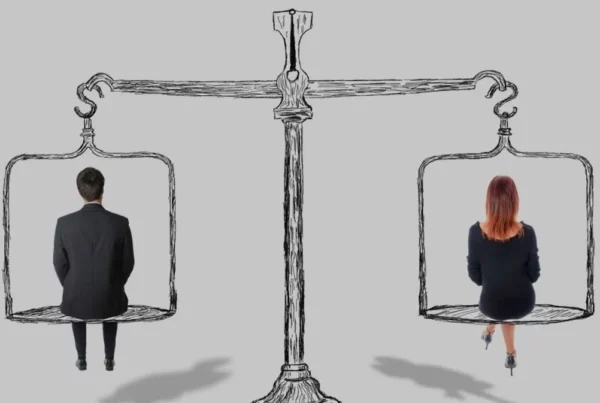
Today marks 47 years since women in Iceland first walked out on Women's Day. Back then, tens of thousands of women used their feet to protest the systemic inequality they face in the labor market. Nearly half a century later, there is still a reason to walk out. Despite the tireless struggle of both the feminist movement and the labor movement, women still have 21.9% lower employment income than men on average. Based on a full working day, this means that women have worked for their wages by 3:15 PM today.
For centuries, women have been forced to subsidize their own labor. To discount their labor, service, and care without having any choice in the matter. This must end.
Today, one of the main reasons for the gender pay gap is that many people working in care, healthcare and education are poorly paid. We are all familiar with the traditional mantra that the general market supports the public sector because the former creates the value. If we speak bluntly, such talk means that the tasks carried out by the public sector are actually a burden and not a development. Such rhetoric is wrong. These jobs are mostly done by women and are the basis of prosperity and economic growth in this country. These jobs are undervalued. Women's jobs are still not valued, neither in this country nor elsewhere in the world.
Seventy percent of public sector employees are women. Those in the labour market who downplay the value, purpose and importance of public service are in fact speaking against the importance, value and proper valuing of women's work contribution and value creation.
This song continues relentlessly. However, our experience with the pandemic over the past two years has shown and proven that value creation, whether in the private or public sector, is completely dependent on people, mainly women, continuing to show up for work. Show up despite viruses, infection rates, ICU status and mortality rates. Without the women working in education, healthcare, care and administration, society would have come to a standstill and stagnated.
While the pandemic raged in this country, society survived the temporary loss of 20,000 jobs in the private sector. However, the nation would never have survived a comparable loss in the public sector. What was at stake were human lives, the future of the nation, and sovereignty.
It is long overdue that we eradicate gender inequality from Icelandic society. Everyone needs to participate in this fight; we in the labor movement, representatives of employers and the government. Let's join hands and correct the distorted value assessment and stop discounting women's work. We must value women's work once and for all.